
Capture the Built | Visualize the Unbuilt
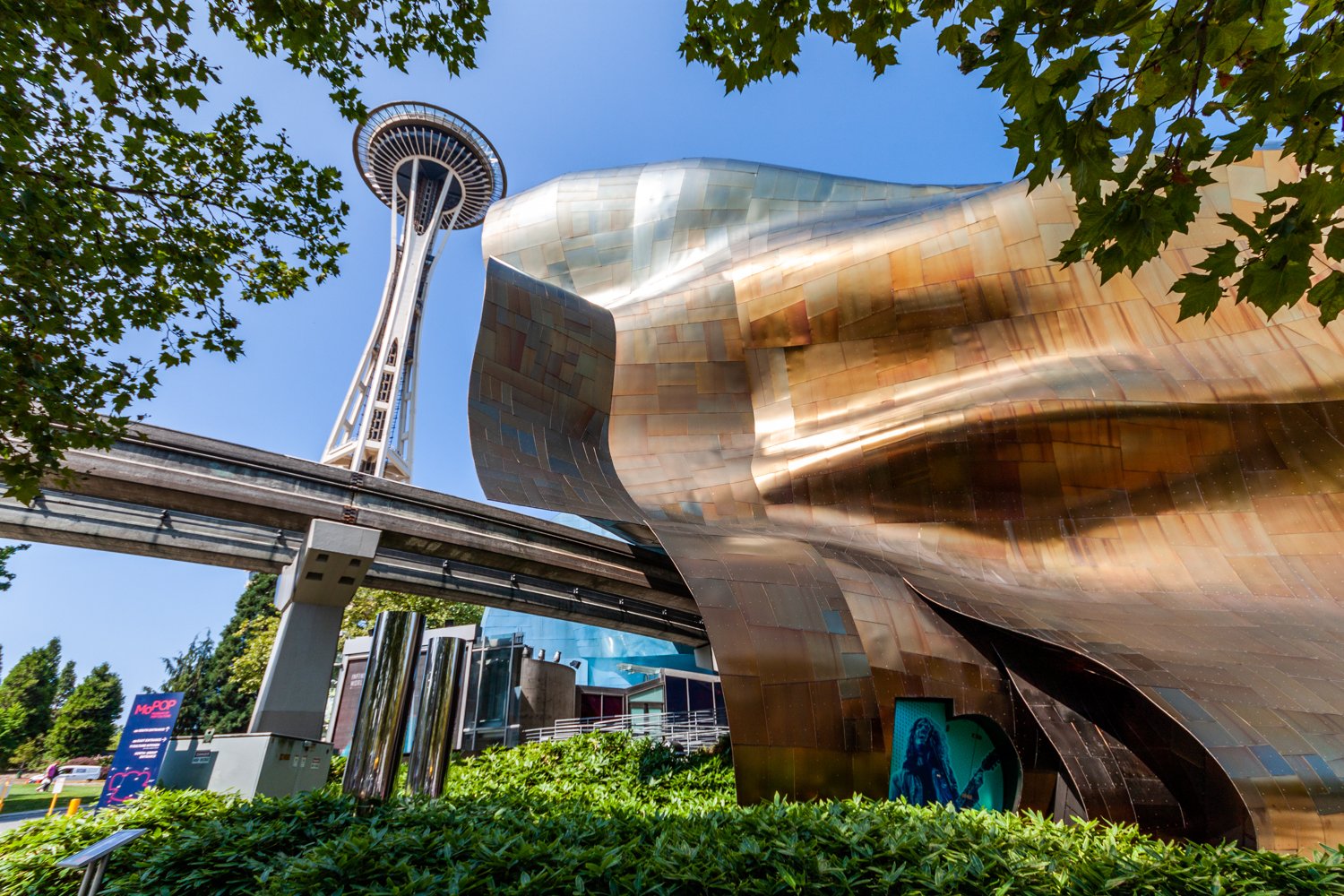
From this….
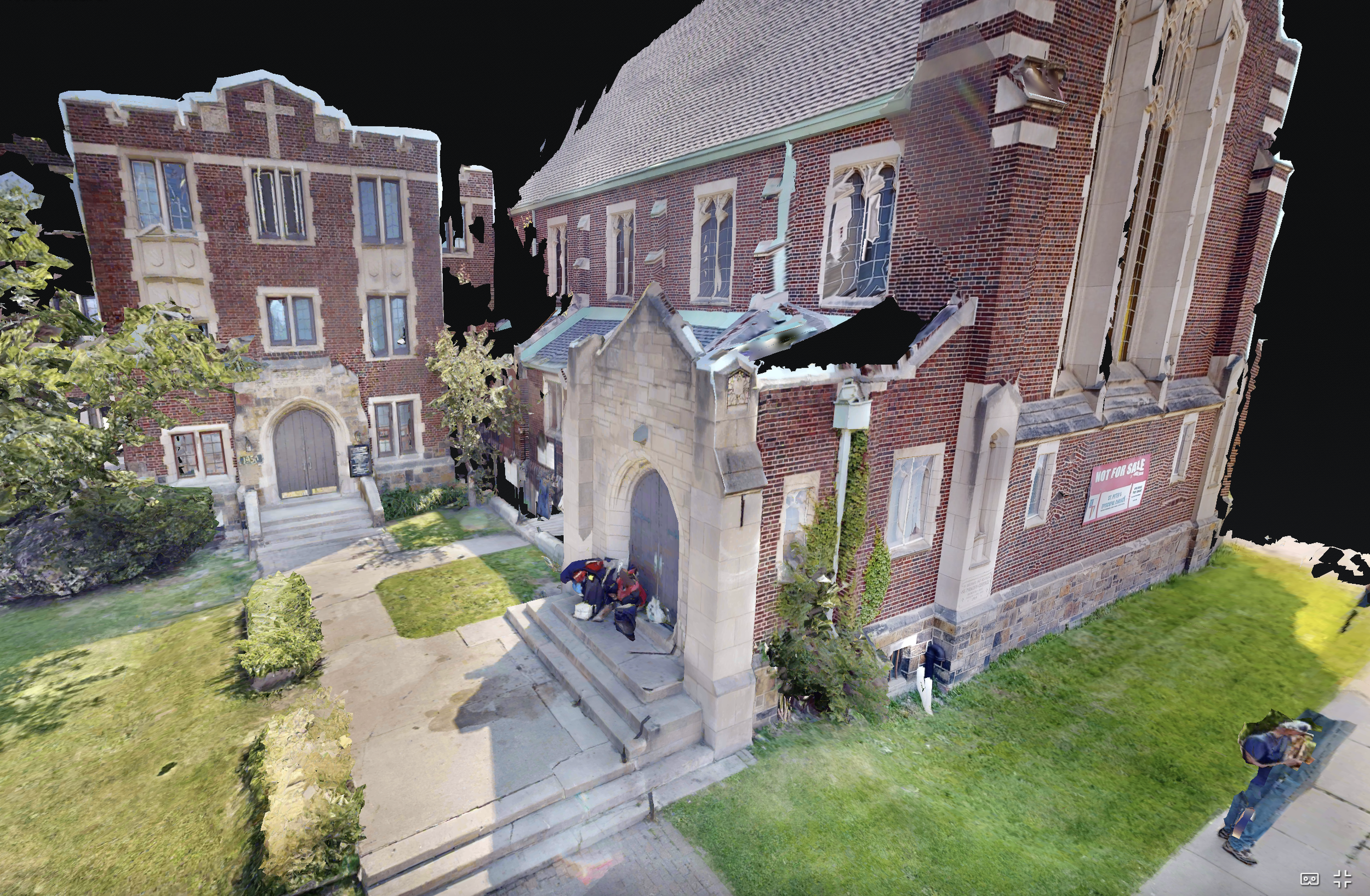
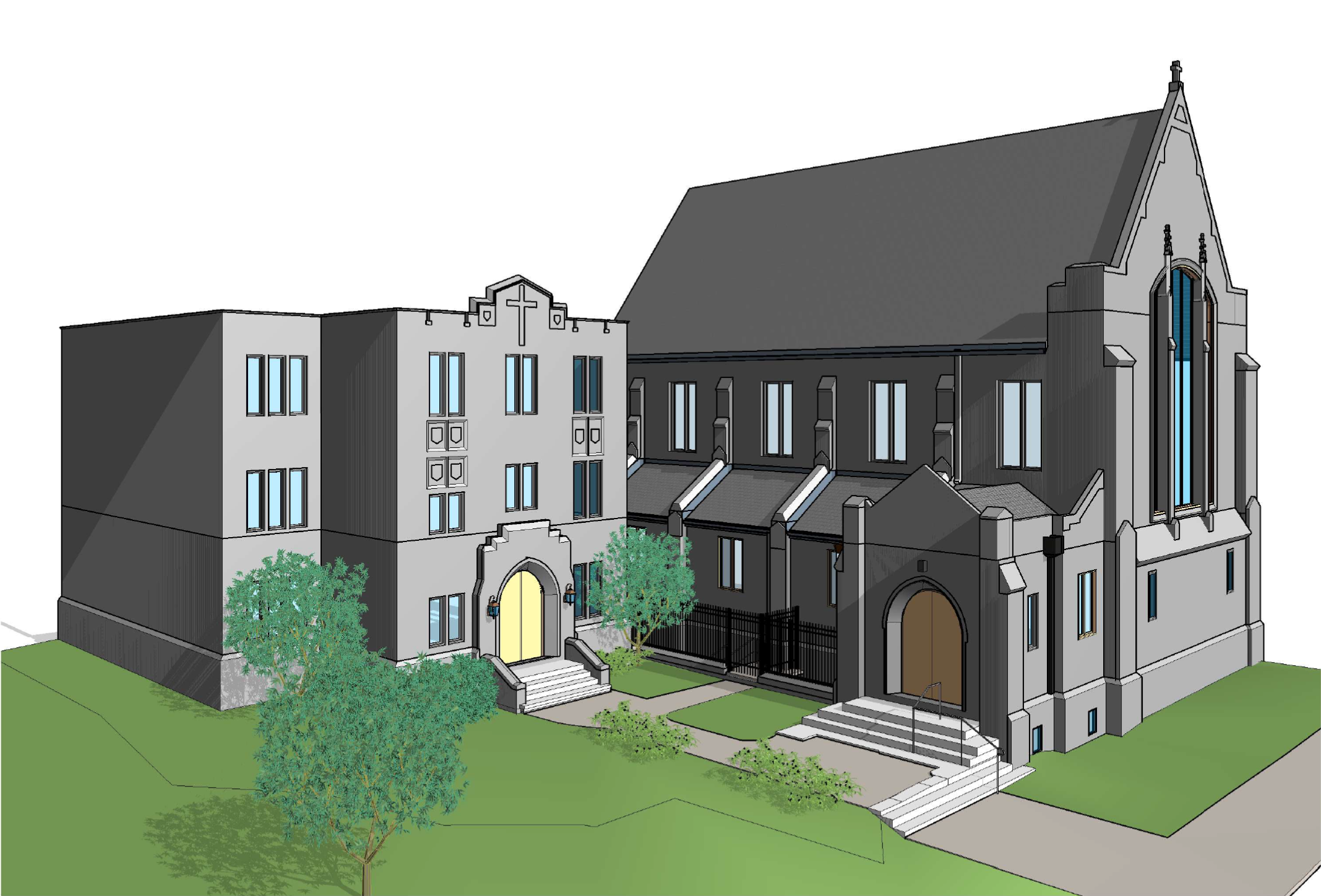
To this….
Tired of working with outdated, inconsistent or non-existent site data? Yeah, so are we.
Skip the Guesswork. Start With Certainty.
We provide detailed, accurate, and ready-to-use 3D building scans that help you design with confidence and reduce costly surprises.
What We Offer:
3D Laser Scanning & Photogrammetry
Capture every corner, surface, and structural detail—fast.Photographic Walkthrough
We all know the feeling, you return from a site visit, you took 100 photos, and somehow, you wish you had 100 more.Well, we fixed that for you.. Every scan includes a high-resolution visual tour of the space—so you can reference materials, finishes, equipment, appliances, and more, without going back on site. 360 degree photos at each scan location ensure you always have the photo of what you need.
We like to call it a “Super” Site Visit
As-Built BIM Modeling in Revit
LOD 200-350
Get clean, editable Revit models built from real-world scan data
Perfect for renovations, retrofits, or historic preservation projects
MEP and Structural Systems you could only dream of measuring and modeling before
Ductwork, terminal units, piping, structural members, production items, etc
Scan-to-BIM: Design Out Risk. Engineer In Profit.
Reduce your project timeline by 15%
Quantitative Study Results: A comprehensive study analyzing critical factors across multiple case studies found that BIM adoption reduced project timelines by an average of 20% and costs by 15%. This time saving is often attributed to minimizing design errors and enhancing coordination.
Faster Data Capture: The foundation of as-built BIM, 3D Laser Scanning (Scan-to-BIM), significantly cuts down on the time required for traditional surveying.
Manual measurement of a large, complex building could take days or weeks. A laser scanner can capture millions of data points per second, documenting an entire building in a fraction of the time.
This rapid, single-pass data collection eliminates the need for repeated site visits (reducing travel time and labor costs) to capture forgotten dimensions, which is a common delay in traditional workflows.
Reduced Rework: The ability to catch conflicts early—before construction begins—prevents major, schedule-derailing rework that can occur deep into the construction phase. One case study on a retail renovation showed a 20% decrease in labor costs and faster project completion by leveraging the accurate as-built model.
Reduce field dimensioning errors by 90% or more
Precision Data Capture: 3D Laser Scanning captures the existing conditions. A single point cloud contains a massive, objective dataset of the site geometry, which is a stark contrast to:
Manual Measurement: Prone to human error, misinterpretation of complex geometry, and forgetting to measure critical elements. The results depend heavily on the skill and interpretation of the individual on-site.
Incomplete Data: Traditional methods often only capture the dimensions believed to be necessary at the time, leading to gaps that require later, time-consuming field verification.
Reduction in Requests for Information (RFIs)
The most direct and immediate benefit of highly accurate as-built documentation is the reduction in RFIs, which are often caused by insufficient, conflicting, or incorrect information in the original design drawings.
Quantifiable Reduction: Industry reports and case studies show major reductions in RFI volume:
A common finding is that reality capture in BIM workflows leads to a documented reduction of 35% fewer change orders and substantial RFI reduction.
In one large biomedical facility project, the use of BIM resulted in a 74% reduction in construction RFIs during the foundation phase and an overall decrease of 37% in coordination RFIs.
Mechanism: An accurate 3D scan provides a "digital twin" of the existing conditions with millimeter precision. When this data is used to create or update a BIM model, designers, engineers, and contractors can virtually "field verify" dimensions and conditions from their offices, eliminating the need to issue an RFI to confirm a dimension or check for a conflict on-site.
Elimination of Costly Change Orders and Rework
Change orders due to unforeseen conflicts and errors on-site are one of the biggest hidden costs in construction, often representing 5-15% of the total project cost. Scan-to-BIM mitigates this by allowing for Clash Detection.
Quantifiable Cost Savings:
One notable project reported an estimated saving of $10 million on a $100 million project by using BIM and clash detection to identify and rectify approximately 500 serious problems early in the design stage.
Rework costs, which are the primary driver of change orders, can be reduced by as much as 75% by catching problems before construction begins.
A general Return on Investment (ROI) model for laser scanning showed an estimated total saving of over 10 times the investment cost on various project stages, primarily due to minimizing rework and program delay risks.
Mechanism: The accurate BIM model created from the scan data allows all trade systems (Architectural, Structural, MEP—Mechanical, Electrical, and Plumbing) to be overlaid virtually. Any clash (e.g., a duct running through a beam, or a pipe running into another pipe) is identified and resolved digitally. This prevents expensive, time-consuming field conflicts that would otherwise result in a Change Order for remedial work.
1,500,000 points per scan
Precision As-Builts you can depend on.
A Tape measure will only get you so far.
Measuring on site can be tedious, imprecise, and result in a limited amount of information.
He is professional and thorough, and he uses the latest technology. His fees are appropriate, and his building scans have been invaluable to our work! Thank you James!
Laura Walker, Owner of Other-work
Building Scanning
Scan to BIM
Project Budget Estimator
About me
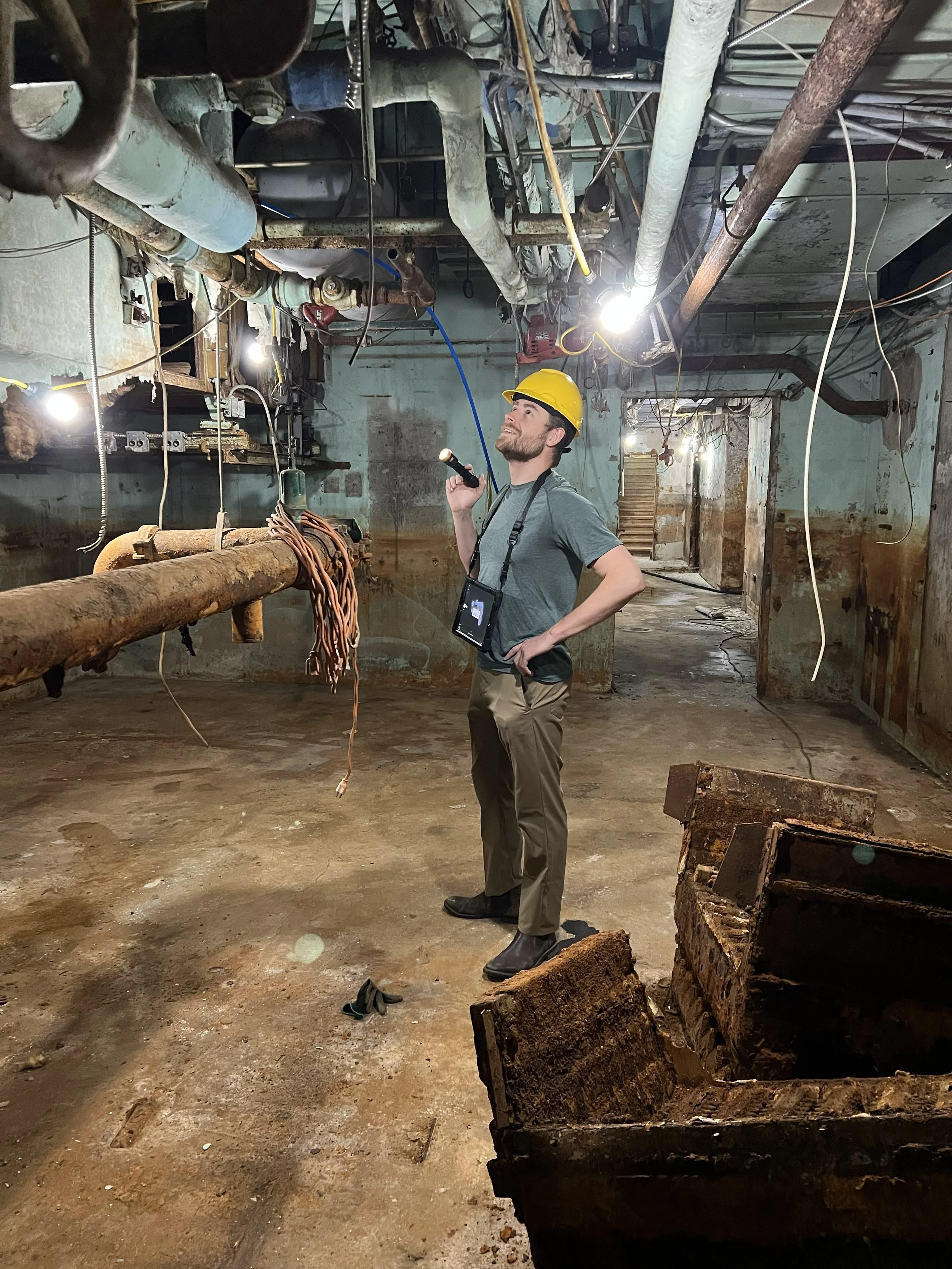
James Elliott
Architectural Designer
Let me help you capture 2D and 3D as-built documents of your building.